Physical AI Data Fidelity
Reducing vibration at the point of sensor data capture
Adaptive Sensing & Control
From passive isolation to real-time adaptive response

Graphibre is developing a new approach to vibration isolation combining lightweight composite structures with graphene-enhanced shear-thickening fluids
Reducing vibration at the point of sensor data capture
From passive isolation to real-time adaptive response


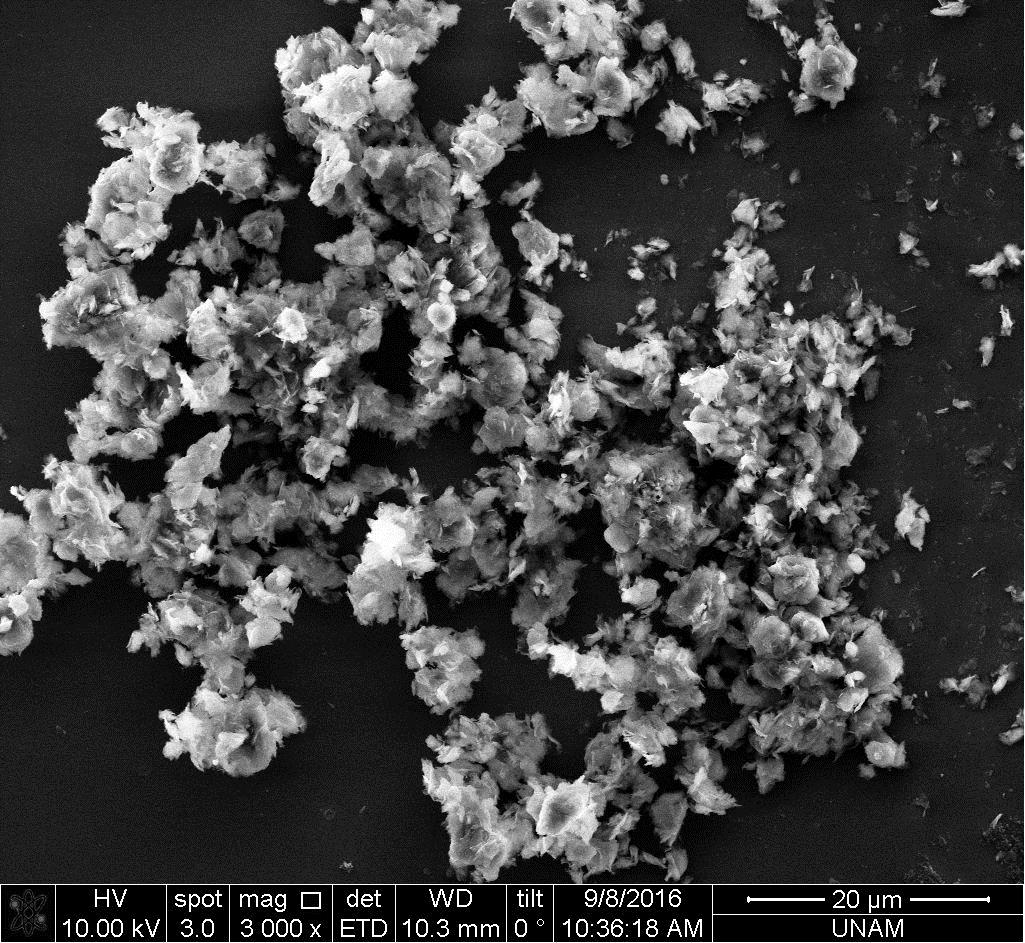
Graphene-enhanced shear-thickening fluids provide a responsive medium designed to change mechanical behaviour under dynamic vibration conditions

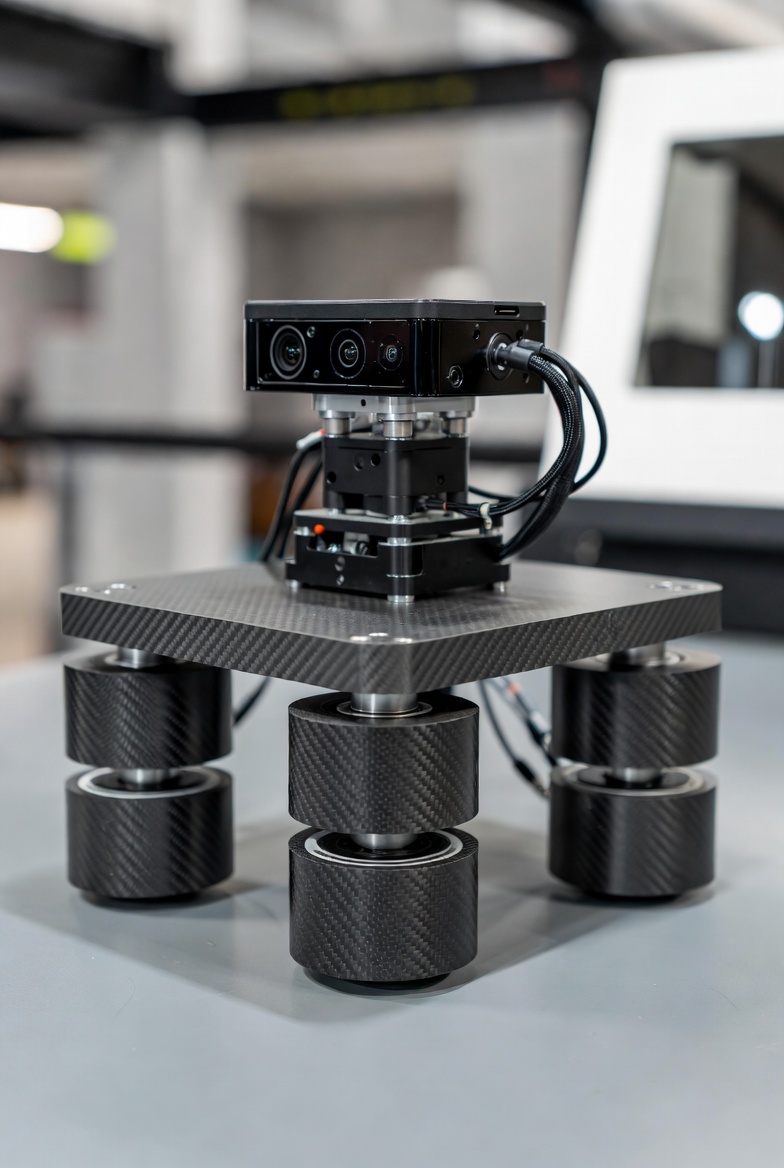
Lightweight concentric carbon composite structures integrate the fluid isolation system within a compact architecture designed for scalable vibration control

Fluid & composite structures respond mechanically to vibration, providing isolation without continuous electronic control, external power or active intervention

Integrated sensing measures vibration & movement quantifying isolation performance for reliable physical-world data & adaptive control

Combining embedded sensing with future real-time control to adjust isolation characteristics as vibration and operating conditions change

Reducing vibration at sensor interfaces to improve the quality, stability and consistency of physical-world data captured by intelligent systems
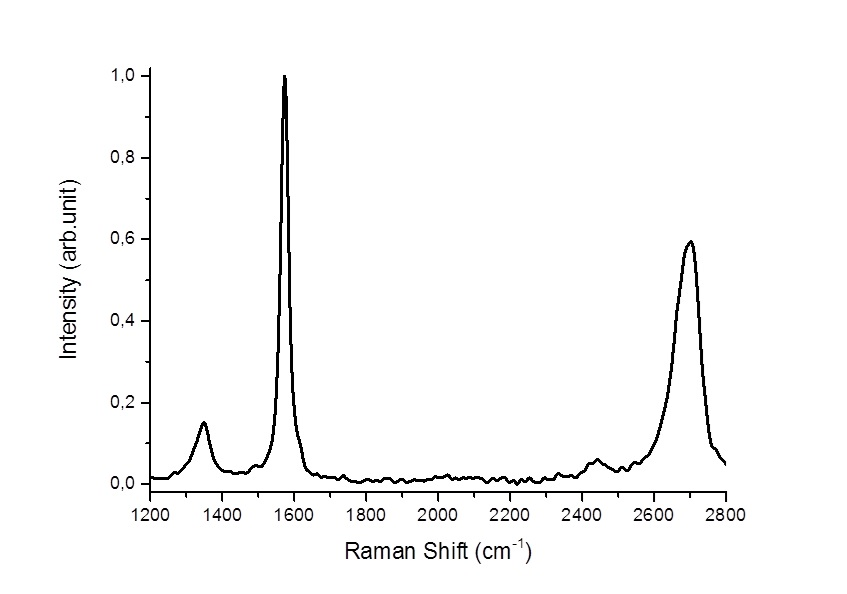
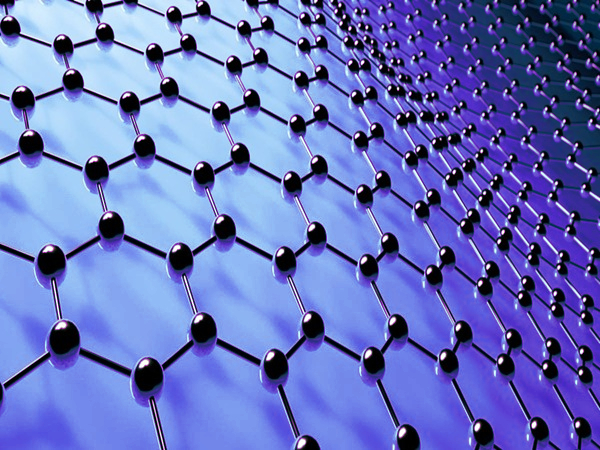
An extraordinary combination of mechanical, thermal, electrical and surface properties makes graphene a compelling material for advanced engineering applications. The ACC reports 130 GPa tensile strength, ~5,000 W/m·K thermal conductivity and theoretical surface area of 2,630 m²/g, while Graphene Flagship emphasises strength, lightness, flexibility and conductivity.
Tensile Strength
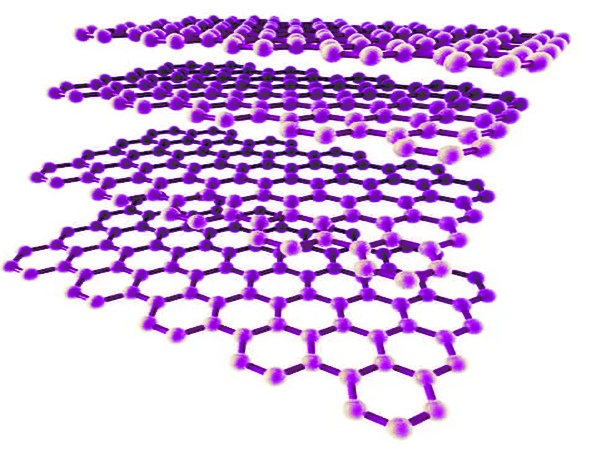
Graphibre is investigating graphene nanoplatelets as a functional component within shear-thickening fluids for advanced vibration-isolation systems.
GNP Nominal Thickness
Graphibre combines a controlled annular fluid geometry with shear-thickening materials to create a compact vibration-isolation system designed to respond dynamically to mechanical excitation.
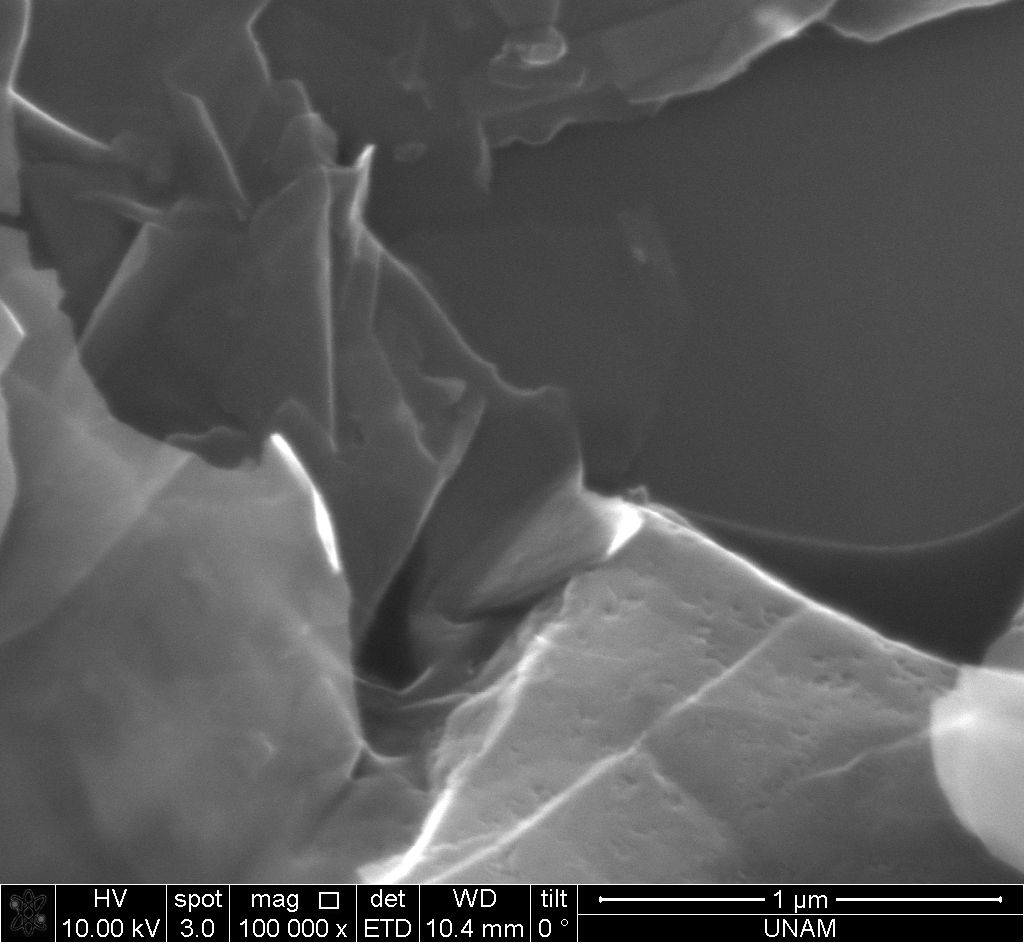
Graphibre is being developed through physical prototyping and comparative vibration testing to quantify the behaviour of graphene-enhanced shear-thickening fluids under controlled mechanical excitation.
Graphibre's development pathway combines embedded sensing, real-time measurement and controllable system parameters to investigate adaptive vibration isolation across changing operating conditions.
Answers to common questions about Graphibre’s technology, development programme and approach to physical AI data fidelity
Graphibre is developing adaptive vibration-isolation technology designed to improve the quality and consistency of physical-world data captured by sensors. The approach combines lightweight composite structures, graphene-enhanced shear-thickening fluids, sensing and adaptive control
Physical AI Data Fidelity describes the reliability of data captured from the physical world before it reaches an intelligent system. Graphibre addresses vibration and movement at the sensor interface, helping reduce physical interference that can affect the quality and consistency of sensor data
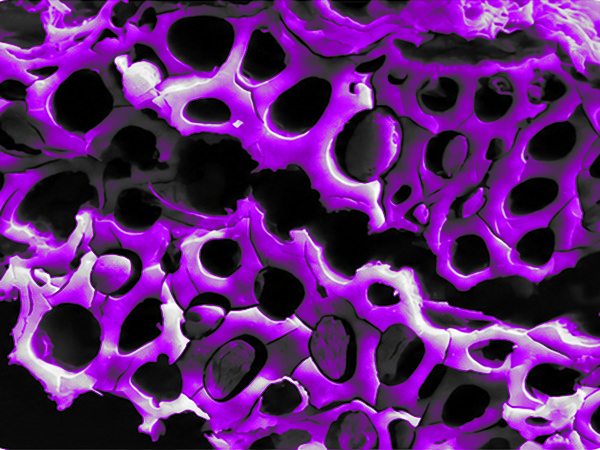
Graphibre combines a lightweight composite architecture with a fluid-based isolation system. The technology is being developed to respond mechanically to changing vibration conditions while isolating sensitive sensors and other components from unwanted vibration
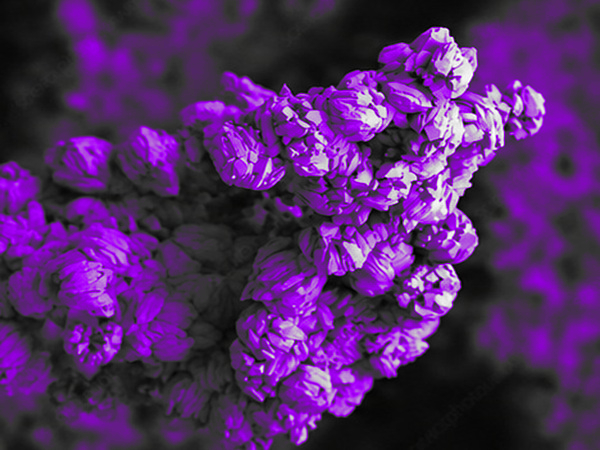
Shear-thickening fluids can change their rheological behaviour as applied shear conditions change. Graphibre is investigating how this responsive behaviour can be used within a compact vibration-isolation system to alter its mechanical response under dynamic conditions
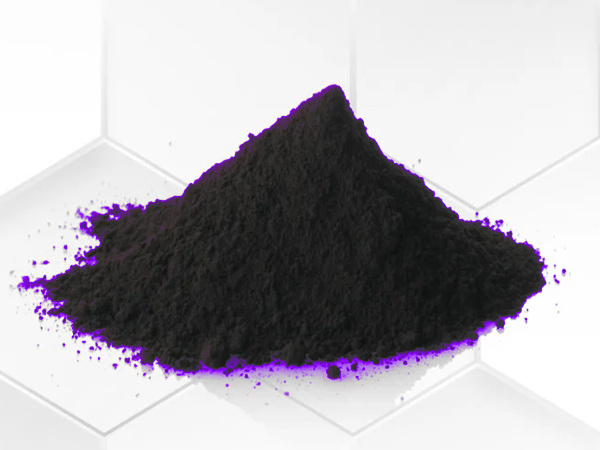
Graphibre is investigating graphene-enhanced shear-thickening fluid formulations and their interaction with the surrounding composite structure. The proof-of-concept programme is intended to determine experimentally how these formulations influence vibration transmission and system response
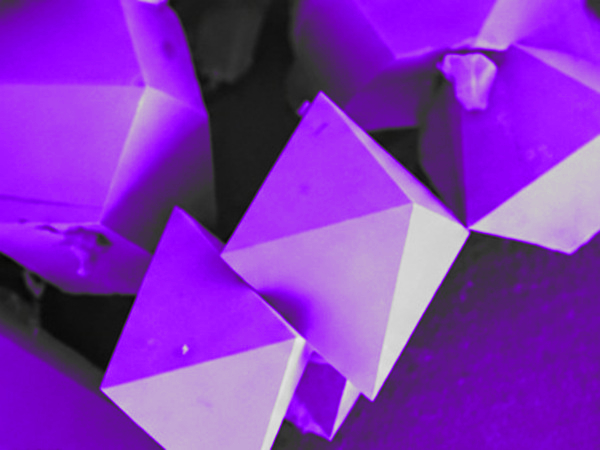
Conventional isolation systems generally rely on fixed mechanical characteristics selected for an expected operating environment. Graphibre is investigating a progression from passive fluid isolation toward sensing and adaptive control, allowing future systems to respond to changing vibration and operating conditions
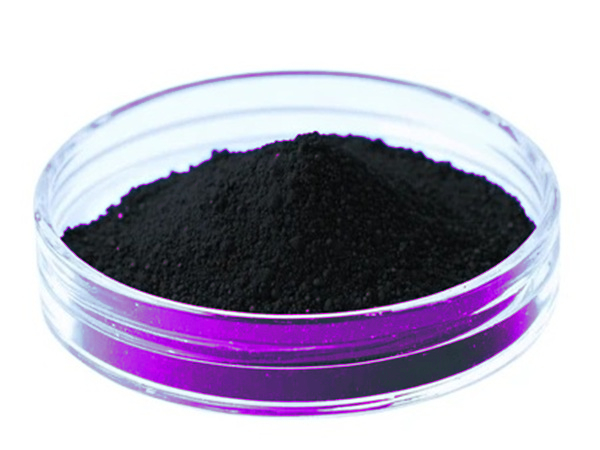
Integrated sensing measures vibration and movement so that isolation performance can be quantified rather than assumed. These measurements provide the physical-world data required to characterise the system and support the development of future adaptive control
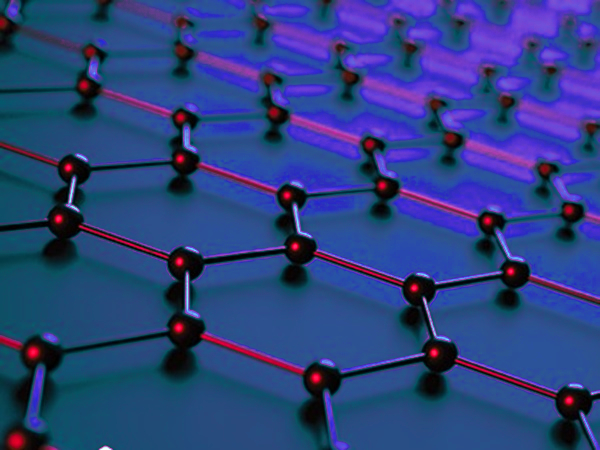
The development architecture combines embedded sensing with the potential for real-time control of isolation characteristics. Future development will investigate how measured operating conditions can be used to adjust system behaviour as vibration and environmental conditions change
Graphibre is being developed for applications where vibration can affect sensors, imaging systems, electronics or other sensitive components. Potential applications include unmanned and autonomous systems, aerospace, robotics, vehicles and other vibration-sensitive platforms.
Graphibre is currently in proof-of-concept development. Controlled testing is being used to investigate fluid formulations, structural configurations, vibration transmission and system response. Performance claims will be based on measured experimental results as the development programme progresses
Build and validate the Graphibre prototype through controlled comparative testing and quantitative vibration analysis
Engineer the first commercial product, undertake application-specific validation and engage initial customers and development partners
Expand manufacturing capability and deploy Graphibre technology across multiple applications, sectors and geographic markets
Extend the Graphibre platform through adaptive control, integrated sensing and application-specific system configurations


Graphibre is being developed from a passive graphene-enhanced shear-thickening vibration-isolation system toward an instrumented platform capable of sensing vibration, measuring system response and supporting adaptive control
Accelerometers capture vibration and system response in real time
Sensor data enables frequency, amplitude and comparative performance analysis
Future configurations will use measured response to dynamically adjust system behaviour.
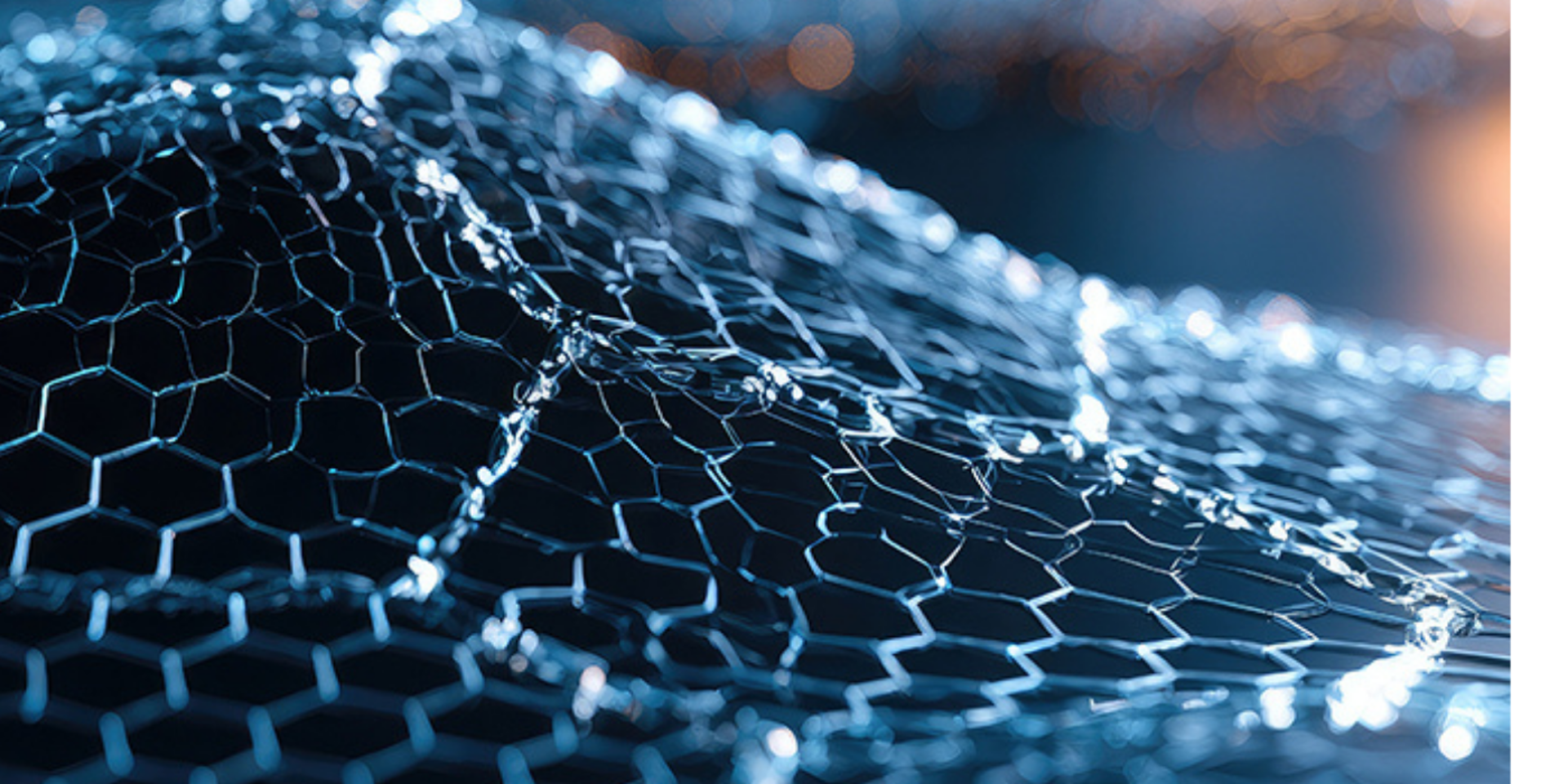
The next stage of Graphibre development integrates sensing, data acquisition and control to enable the isolation system to respond to changing vibration conditions
Embedded sensors measure vibration, motion and system response in real time
Sensor data can inform controlled adjustment of the isolation system for changing operating conditions
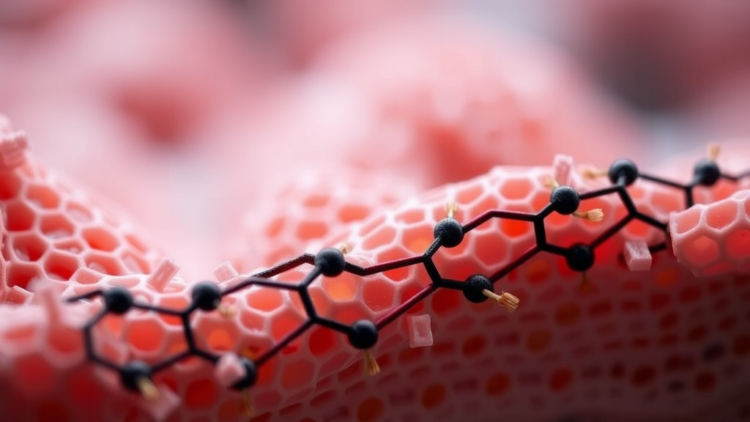
Development progresses from proof of concept to product engineering, manufacturing and multi-market deployment.
The platform targets vibration-sensitive applications across aerospace, robotics, sensing and engineering.
Measured vibration data provides the foundation for future adaptive control of isolation behaviour.
The development pathway extends passive material response toward an instrumented system capable of supporting adaptive control.
Integrated sensing provides the measurement layer required to understand changing vibration conditions and system response.
Accelerometers and supporting instrumentation capture vibration response for time-domain and frequency-domain analysis.
Control and Graphibre test rigs enable repeatable comparison of vibration response under controlled mechanical excitation.
Carbon-fibre structures combine low mass with stiffness for vibration-isolation applications.
Concentric structural elements create a controlled annular fluid region designed to translate mechanical excitation into fluid shear.
Graphene-enhanced STF combines responsive material behaviour with controlled vibration-isolation performance.
Graphibre brings together advanced materials, composite engineering, sensing, validation and intelligent control to develop a new approach to vibration isolation.